Chromium Picolinate: The Only Blood Sugar Supplement Ingredient With an FDA Health Claim
In 2005, the U.S. Food and Drug Administration took the unusual step of authorizing a qualified health claim linking chromium picolinate supplementation to a possible reduced risk of insulin resistance and type 2 diabetes. This places chromium picolinate in an exclusive category — it is the only blood sugar supplement ingredient with any form of FDA-recognized health claim. No other natural blood sugar compound — not berberine, not cinnamon, not gymnema — has achieved this regulatory distinction.
The clinical evidence supporting this claim has only grown stronger since 2005. A comprehensive systematic review of 16 studies published in 2022 found that chromium supplementation significantly reduces HbA1c by 0.55 percentage points, lowers fasting blood sugar, and improves insulin resistance — with the picolinate form producing the strongest effects across all metrics. Yet chromium picolinate alone addresses only one glucose pathway: insulin receptor sensitivity. This guide explains why chromium picolinate is most effective as part of a multi-ingredient formula like GlucoGen 17 that combines it with 16 additional clinically studied blood sugar compounds for complete four-pathway glucose support.
How Chromium Picolinate Supports Blood Sugar: The Mechanisms
Understanding chromium picolinate's mechanisms of action reveals both its unique value and its limitations as a standalone supplement — and why combining it with complementary ingredients produces superior results.
Insulin Receptor Sensitivity Enhancement
Chromium picolinate's primary mechanism is enhancing insulin receptor sensitivity on cell surfaces. It increases the number and activity of insulin receptors, making cells significantly more responsive to insulin's signal to absorb glucose from the bloodstream. A study of 400mcg chromium picolinate for 8 weeks demonstrated beneficial effects on insulin resistance, LDL cholesterol, and total cholesterol in people with type 2 diabetes — confirming its direct impact on the insulin signaling pathway.
GLUT-4 Glucose Transporter Activation
Research published in the Journal of Nutritional Biochemistry shows chromium picolinate enhances skeletal muscle GLUT-4 translocation — the physical movement of glucose transporter proteins to the cell surface where they can capture glucose from the bloodstream. This translocation is the final step in insulin-mediated glucose uptake, and enhancing it directly improves how efficiently cells remove glucose from circulating blood after meals and between meals.
Chromodulin Activation and Insulin Signaling
Chromium activates chromodulin (also called low-molecular-weight chromium-binding substance), a peptide that amplifies insulin receptor tyrosine kinase activity by up to 8-fold. This amplification means each insulin molecule becomes far more effective at triggering glucose uptake, reducing the amount of insulin the pancreas must produce to maintain normal blood sugar. Less insulin demand translates to less beta-cell stress and better long-term pancreatic health.
Lipid Metabolism Improvement
The 2022 meta-analysis found that chromium supplementation — particularly the picolinate form — significantly improves triglyceride and LDL cholesterol levels alongside blood sugar metrics. This dual metabolic benefit is critical because insulin resistance, elevated blood sugar, and dyslipidemia frequently coexist in metabolic syndrome. By addressing both glucose and lipid abnormalities, chromium picolinate provides broader metabolic protection than blood sugar-only compounds.
Sugar Craving Reduction
Chromium picolinate has demonstrated significant effects on reducing carbohydrate and sugar cravings — a practical benefit that supports long-term dietary compliance. Research suggests chromium modulates serotonin and dopamine signaling in the brain, reducing the neurochemical drive to consume sugary foods. By decreasing cravings at the neurological level, chromium picolinate helps break the cycle of sugar consumption that worsens insulin resistance over time.
The Limitation: Chromium Targets Only One Major Pathway
Despite its FDA-recognized benefits, chromium picolinate primarily targets insulin receptor sensitivity. It does not significantly activate AMPK (berberine does), slow carbohydrate digestion (cinnamon does), provide insulin-mimetic effects (bitter melon does), or regenerate beta cells (gymnema sylvestre does). This is why GlucoGen 17 includes chromium picolinate as one of 17 clinically studied ingredients — ensuring comprehensive four-pathway blood sugar support that standalone chromium cannot deliver.
Chromium Picolinate vs. Other Chromium Forms: Which Is Best?
Not all chromium supplements are created equal. The form of chromium dramatically affects absorption, bioavailability, and clinical effectiveness for blood sugar support.
Chromium Picolinate — The Gold Standard
Picolinic acid chelation enhances intestinal absorption by up to 300% compared to inorganic chromium forms. The 2022 meta-analysis specifically identified picolinate as producing the strongest effects on blood sugar, HbA1c, and triglycerides among all chromium forms tested. It is the form used in the research that earned the FDA qualified health claim and the form included in GlucoGen 17.
Chromium Polynicotinate — Decent But Inferior
Also known as niacin-bound chromium, this form has some clinical evidence but consistently produces weaker results than picolinate in head-to-head comparisons. It is often marketed as a "natural" alternative, but the bioavailability data clearly favors picolinate. Supplements using polynicotinate over picolinate are choosing an inferior form — likely for cost reasons rather than efficacy.
Chromium Chloride — Poor Absorption
The cheapest chromium form with the poorest bioavailability. Less than 1% of chromium chloride is absorbed in the intestine, meaning a 200mcg dose delivers less than 2mcg to the bloodstream. Budget supplements often use chromium chloride because it costs a fraction of picolinate — but you would need enormous doses to achieve any therapeutic effect. Always verify the chromium form on any supplement label.
Choice
GlucoGen 17 — The Best Chromium-Based Blood Sugar Formula for 2026
GlucoGen 17 includes chromium picolinate at clinical doses as part of its 17-ingredient formula — amplifying chromium's insulin sensitivity benefits with berberine for AMPK activation, cinnamon for glucose absorption control, gymnema for beta-cell regeneration, and 13 more targeted nutrients. This comprehensive approach ensures all four glucose regulation pathways receive clinical-grade support, producing results that standalone chromium supplementation cannot achieve.
How GlucoGen 17 Amplifies Chromium Picolinate's Benefits
These key ingredients work synergistically with chromium picolinate to address the glucose pathways that chromium alone cannot cover.
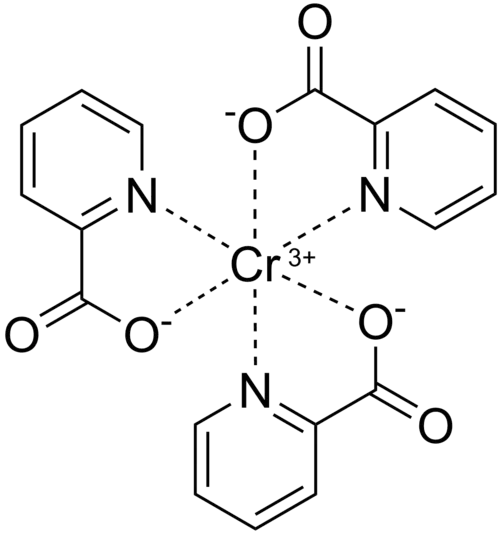
Chromium Picolinate (Foundation)
Why It Matters: The FDA-recognized trace mineral that enhances insulin receptor sensitivity, activates chromodulin for amplified insulin signaling, promotes GLUT-4 glucose transporter translocation, and improves lipid profiles alongside blood sugar. At clinical doses, chromium picolinate reduces HbA1c by 0.55 percentage points — a meaningful improvement that serves as the insulin sensitivity foundation of GlucoGen 17's comprehensive formula.
200-1000mcg daily
Berberine (AMPK Pathway Partner)
Why It Matters: While chromium works at the insulin receptor level on the cell surface, berberine activates AMPK inside the cell — a completely different mechanism that enhances glucose uptake through an insulin-independent pathway. This means berberine continues to support blood sugar even when insulin resistance is severe enough to partially override chromium's receptor-level benefits. Together, chromium and berberine create a dual-mechanism insulin sensitivity enhancement that neither achieves alone.
500-1500mg daily
Cinnamon Bark Extract (Absorption Pathway)
Why It Matters: Chromium enhances how cells respond to insulin, but it does not control how quickly glucose enters the bloodstream after meals. Cinnamon bark fills this gap by slowing gastric emptying and carbohydrate digestion — reducing post-meal glucose spikes by up to 19 mg/dL. The combination means chromium-enhanced cells receive a more manageable glucose load from cinnamon-controlled absorption, producing smoother, more stable blood sugar throughout the day.
500-2000mg daily
Bitter Melon (Insulin-Mimetic Pathway)
Why It Matters: Bitter melon contains polypeptide-p, which mimics insulin action directly — bypassing both the insulin receptor (chromium's target) and AMPK (berberine's target) entirely. This provides a third independent glucose uptake mechanism that works even when both insulin-dependent and AMPK-dependent pathways are impaired. For people with advanced insulin resistance, this insulin-mimetic pathway may be the most critical glucose-lowering mechanism available.
500-2000mg daily
Alpha-Lipoic Acid (Cellular Protector)
Why It Matters: Chronic high blood sugar generates oxidative stress that damages the very insulin receptors chromium is trying to enhance. ALA neutralizes this oxidative damage in both water and fat-soluble environments, preserving insulin receptor integrity and function. It also independently enhances GLUT-4 translocation — amplifying chromium's own GLUT-4 effects for greater glucose transporter activity at the cell surface. A systematic review of 31 trials confirms ALA's HbA1c-lowering and anti-inflammatory benefits.
300-600mg daily
Banaba Leaf (Rapid Glucose Uptake)
Why It Matters: Banaba leaf contains corosolic acid that activates glucose transporters through yet another independent mechanism — distinct from both insulin signaling (chromium) and AMPK activation (berberine). Clinical studies show banaba leaf reduces post-meal blood sugar by up to 30% within two hours, making it the fastest-acting glucose regulator in GlucoGen 17's formula. Combined with chromium's longer-term insulin sensitivity enhancement, the formula provides both immediate and sustained blood sugar support.
32-48mg daily💡 Key Takeaway
Chromium picolinate is the only blood sugar supplement ingredient with an FDA-recognized health claim — but it works best as one piece of a comprehensive formula. GlucoGen 17 amplifies chromium's proven insulin sensitivity benefits with 16 additional ingredients targeting AMPK activation, glucose absorption control, insulin-mimetic action, beta-cell regeneration, and cellular antioxidant protection. This multi-pathway approach delivers blood sugar improvements that standalone chromium supplementation cannot achieve.
Get FDA-Recognized Chromium Plus 16 More Blood Sugar Ingredients
- Clinical-dose chromium picolinate plus 16 synergistic ingredients
- Full label transparency — no proprietary blends
- GMP-certified, FDA-registered facility in USA
- All 4 glucose pathways: insulin, AMPK, absorption, beta cells
- 4.8/5 verified customer rating




Chromium Picolinate Dosage: What Clinical Research Recommends
Getting chromium picolinate dosage right is critical for effectiveness. Here is what published clinical research says about optimal dosing for blood sugar support.
Therapeutic Range: 200-1000mcg Daily
Clinical studies showing significant blood sugar improvements use chromium picolinate at 200-1000mcg per day. One well-designed trial found 400mcg for 8 weeks significantly improved insulin resistance and cholesterol markers. Higher doses (800-1000mcg) have shown additional benefits in some studies, particularly for individuals with established insulin resistance or type 2 diabetes. Most experts consider 400-600mcg the optimal sweet spot.
Who Benefits Most From Chromium Supplementation
Research consistently shows chromium picolinate produces the greatest benefits in people with existing blood sugar dysregulation — prediabetes, type 2 diabetes, or diagnosed insulin resistance. Effects are most pronounced when baseline chromium status is low, which is common in Western diets heavy in refined carbohydrates that deplete chromium stores. People with well-controlled blood sugar may see more modest improvements.
Why Multi-Ingredient Formulas Optimize Chromium's Value
When chromium picolinate is combined with synergistic ingredients in GlucoGen 17, its insulin sensitivity enhancement is amplified by berberine's AMPK activation, cinnamon's absorption control, and ALA's receptor protection. This means the chromium dose can be precisely optimized within a comprehensive formula that delivers broader blood sugar benefits than any standalone chromium supplement — regardless of how high its chromium dose might be.
What Real Users Say About GlucoGen 17

"I took chromium picolinate alone for a year with only modest improvements. Switching to GlucoGen 17 — which has chromium plus 16 other ingredients — made a dramatically bigger difference. My fasting glucose dropped from 138 to 108 in 10 weeks. The multi-ingredient approach clearly amplifies what chromium can do on its own."

"As a pharmacist, I was specifically looking for a formula with chromium picolinate — the only form I trust based on the research. GlucoGen 17 uses picolinate alongside berberine, cinnamon, and other evidence-based ingredients at proper clinical doses. My own blood sugar numbers improved meaningfully within 6 weeks. Professionally, I am recommending this to patients who ask about supplements."

"My doctor suggested I try chromium picolinate for my insulin resistance. I chose GlucoGen 17 because it includes chromium alongside 16 other ingredients for comprehensive coverage. After 3 months, my insulin resistance markers improved significantly and my doctor noted the best lab results I have had in years. The combination formula is worth every penny."
Frequently Asked Questions
Does chromium picolinate really help with diabetes?
+Yes. In 2005, the FDA took the unusual step of authorizing a qualified health claim linking chromium picolinate to a possible reduced risk of insulin resistance and type 2 diabetes — making it the only blood sugar supplement ingredient with any form of FDA-recognized health claim. A comprehensive 2022 meta-analysis of 16 studies confirmed that chromium supplementation significantly reduces HbA1c by 0.55 percentage points and lowers fasting blood sugar, with the picolinate form producing the strongest effects. However, chromium primarily targets insulin receptor sensitivity — one of four major glucose pathways. For comprehensive support, GlucoGen 17 combines chromium picolinate with 16 additional ingredients addressing all four pathways simultaneously.
What is the best form of chromium for blood sugar?
+Chromium picolinate is definitively the best form. The picolinic acid chelation enhances intestinal absorption by up to 300% compared to inorganic chromium forms like chromium chloride. The 2022 meta-analysis specifically identified picolinate as producing the strongest effects on blood sugar, HbA1c, and triglycerides among all chromium forms tested. It is the form that earned the FDA qualified health claim and the form included in GlucoGen 17. Avoid supplements using cheaper forms like chromium chloride (less than 1% absorption) or unspecified "chromium" without identifying the specific form.
How much chromium picolinate should I take for blood sugar?
+Clinical studies showing significant blood sugar improvements typically use 200-1000mcg of chromium picolinate daily. Most research supports 400-600mcg as the optimal range for insulin sensitivity improvement — a specific study found 400mcg for 8 weeks significantly improved insulin resistance, LDL cholesterol, and total cholesterol. Higher doses may benefit individuals with established type 2 diabetes. GlucoGen 17 includes chromium picolinate at a clinical dose alongside 16 additional blood sugar ingredients, optimizing chromium's contribution within a synergistic multi-pathway formula.
Can I take chromium picolinate with metformin?
+Chromium picolinate is generally considered safe alongside metformin, and some published studies have examined this specific combination without reporting significant adverse interactions. However, because both compounds work to lower blood sugar through different mechanisms, there is a theoretical risk of additive blood sugar-lowering effects that could lead to hypoglycemia in some individuals. Always consult your healthcare provider before combining chromium supplements — including GlucoGen 17 — with any diabetes medication to ensure proper monitoring and potential dosage adjustment.
How long does chromium picolinate take to lower blood sugar?
+Clinical studies show measurable improvements in insulin sensitivity and fasting blood sugar within 8-12 weeks of consistent chromium picolinate supplementation at clinical doses. Some users report improved energy stability and reduced sugar cravings as early as 2-4 weeks, as chromium's effects on carbohydrate cravings can be felt before measurable glucose changes appear. For accelerated and more comprehensive results, chromium combined with berberine, cinnamon, and 14 additional ingredients in GlucoGen 17 targets multiple glucose pathways simultaneously — most users report significant improvements within 4-8 weeks.
What are the side effects of chromium picolinate?
+Chromium picolinate is generally well-tolerated at recommended doses (200-1000mcg daily). Rarely reported side effects include mild headache, insomnia, irritability, and mood changes. At extremely high doses exceeding 1200mcg daily, isolated reports of liver and kidney concerns have been noted. GlucoGen 17 includes chromium picolinate at a safe, clinically validated dose as part of its 17-ingredient formula — well within the established safety range. As with any supplement, consult your healthcare provider before starting if you have pre-existing liver or kidney conditions.
Related Articles
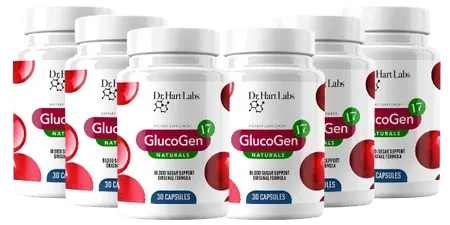
Get FDA-Recognized Chromium in the Most Comprehensive Blood Sugar Formula
GlucoGen 17 delivers clinical-dose chromium picolinate amplified by 16 additional ingredients with full label transparency, GMP-certified manufacturing, and a 60-day money-back guarantee. No proprietary blends. No single-ingredient limitations. Just the most comprehensive chromium-based blood sugar formula in 2026 — designed to target every major glucose regulation pathway for superior results.