Your A1C Number Is the Most Important Metric You Are Probably Not Managing
While fasting blood sugar gets most of the attention, your A1C (glycated hemoglobin) is actually the most important blood sugar metric — because it reveals your average blood sugar over the preceding 2-3 months, capturing the post-meal spikes, overnight elevations, and daily fluctuations that a single fasting reading misses entirely. Research consistently shows that A1C is the strongest predictor of diabetes complications, cardiovascular events, and long-term metabolic health outcomes.
The good news: clinical research has identified several natural compounds that produce measurable, clinically meaningful A1C reductions. Berberine reduces A1C by 0.7% in meta-analyses. Fenugreek has shown reductions up to 1.16%. Chromium picolinate reduces HbA1c by 0.55%. Alpha-lipoic acid contributes 0.35%. And when these compounds are combined in a multi-ingredient formula like GlucoGen 17 with 17 clinically studied ingredients, the synergistic effects can produce A1C improvements that individual supplements cannot match — especially when paired with exercise and dietary strategies.
Natural A1C Lowering Supplements Ranked by Clinical Evidence
We ranked every natural supplement with published A1C reduction data, from strongest evidence to moderate evidence. All six below are included in GlucoGen 17 at clinical doses.
Berberine — 0.7% A1C Reduction (46 Studies)
The most extensively researched natural A1C-lowering compound. A comprehensive meta-analysis confirms berberine reduces A1C by 0.7% — a clinically meaningful reduction comparable to the prescription drug metformin. It works by activating AMPK to enhance cellular glucose uptake and inhibiting hepatic gluconeogenesis to reduce fasting glucose. A landmark head-to-head study found berberine's A1C reduction of approximately 2 percentage points was statistically equivalent to metformin. Berberine is the cornerstone of any serious A1C-lowering supplement strategy.
Chromium Picolinate — 0.55% HbA1c Reduction (16 Studies)
The only blood sugar supplement ingredient with an FDA-recognized health claim. A 2022 systematic review of 16 studies found chromium supplementation reduces HbA1c by 0.55 percentage points, with the picolinate form producing the strongest effects. Chromium works by enhancing insulin receptor sensitivity and GLUT-4 glucose transporter expression — a mechanism complementary to berberine's AMPK activation. Together, they produce greater A1C reductions than either alone through dual-pathway synergy.
Alpha-Lipoic Acid — 0.35% A1C Reduction (31 Studies)
A systematic review of 31 clinical trials found ALA reduces HbA1c by 0.35% while simultaneously improving fasting blood sugar and inflammatory biomarkers. ALA's unique value for A1C reduction goes beyond its direct glucose-lowering effect: by protecting insulin-producing beta cells and insulin receptors from oxidative damage, ALA preserves the metabolic machinery that berberine and chromium are trying to optimize — preventing the cellular damage that would otherwise undermine their A1C-lowering effects over time.
Cinnamon Bark — Significant Fasting Glucose Reduction (16 Studies)
A 2019 systematic review of 16 studies confirmed cinnamon reduces fasting glucose by 19.26 mg/dL and improves insulin resistance — both factors that directly contribute to A1C reduction over time. Cinnamon specifically targets post-meal glucose spikes by slowing gastric emptying and carbohydrate digestion. Since A1C reflects average glucose including post-meal periods, controlling these spikes with cinnamon significantly impacts the overall A1C reading that berberine and chromium begin to address from the fasting glucose side.
Gymnema Sylvestre — Fasting Glucose, Post-Meal, and HbA1c (10 Studies)
A meta-analysis of 10 studies confirmed gymnema sylvestre significantly reduces fasting blood glucose, post-meal glucose, and HbA1c. Gymnema's unique contribution to A1C reduction is threefold: it reduces sugar cravings (decreasing dietary glucose input), inhibits intestinal glucose absorption (reducing post-meal spikes), and stimulates beta-cell regeneration (improving insulin production capacity). This behavioral plus physiological combination addresses A1C from both the input and processing sides.
Bitter Melon — Significant Fasting Glucose Reduction (Meta-Analysis)
A 2024 meta-analysis confirmed bitter melon significantly reduces fasting blood glucose in people with type 2 diabetes. Its three insulin-mimetic compounds (charantin, vicine, polypeptide-p) provide glucose-lowering activity through an entirely independent pathway — meaning bitter melon continues working even when insulin-dependent pathways (targeted by chromium) and AMPK pathways (targeted by berberine) are insufficient. This pathway diversity is essential for sustained A1C reduction in people with advanced insulin resistance.
Why Multi-Ingredient Formulas Produce Greater A1C Reductions
A1C reflects average blood sugar across all situations — fasting, post-meal, overnight, and during stress. No single ingredient can address all of these. Multi-ingredient formulas can.
Different Ingredients Target Different A1C Contributors
Berberine primarily lowers fasting glucose. Cinnamon controls post-meal spikes. Gymnema reduces dietary glucose input through craving suppression. ALA protects beta cells for sustained insulin production. When combined, these ingredients address every factor that contributes to A1C — producing a more complete reduction than any single compound can achieve by addressing just one piece of the puzzle.
Synergistic Effects Exceed Additive Effects
When berberine activates AMPK inside cells while chromium enhances insulin receptors on the cell surface, the combined glucose uptake exceeds what either produces individually. This is true synergy — not simply adding 0.7% + 0.55% for 1.25%, but potentially producing greater total A1C reduction through mechanisms that amplify each other. GlucoGen 17's 17 ingredients create multiple such synergistic pairings throughout the formula.
24-Hour Blood Sugar Coverage
A1C measures average glucose over the entire day and night — not just fasting or post-meal. Single-ingredient supplements may lower glucose during certain windows while leaving others unaddressed. GlucoGen 17's multi-ingredient formula includes fast-acting compounds (banaba leaf — 2 hours), medium-acting compounds (cinnamon — 4-6 hours), and sustained compounds (berberine, chromium — all day), providing comprehensive 24-hour blood sugar management that maximizes A1C reduction.
Choice
GlucoGen 17 — The Most Comprehensive Natural A1C Support Formula for 2026
GlucoGen 17 combines every top-ranked A1C-lowering supplement — berberine, chromium picolinate, ALA, cinnamon, gymnema, and bitter melon — with 11 additional clinically studied ingredients in a single formula. This comprehensive approach addresses fasting glucose, post-meal spikes, overnight elevations, craving-driven glucose input, and beta-cell health simultaneously — producing the most complete A1C reduction strategy available in a single supplement, backed by a 60-day money-back guarantee.
Key A1C-Lowering Ingredients in GlucoGen 17
Each ingredient targets a different contributor to elevated A1C. Together, they create a comprehensive formula addressing every glucose metric that A1C captures.

Berberine — The A1C Reduction Leader
A1C Impact: 0.7% reduction in meta-analysis of 46 studies — comparable to metformin. Berberine is the most powerful single A1C-lowering supplement available. It activates AMPK to enhance glucose uptake in muscle and liver cells, inhibits hepatic gluconeogenesis to lower fasting glucose, and modulates the gut microbiome for improved metabolic function. The foundation ingredient for any serious natural A1C reduction strategy.
500-1500mg daily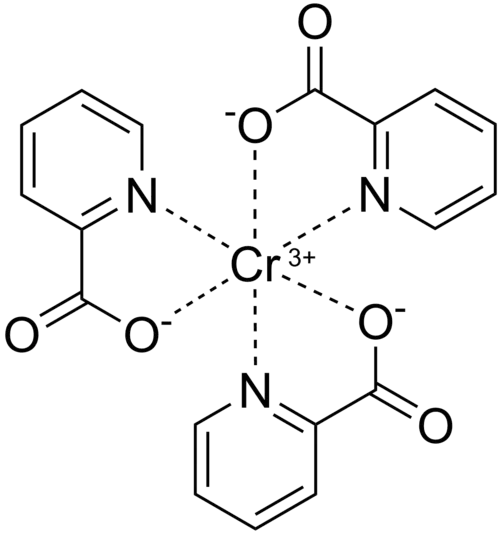
Chromium Picolinate — FDA-Recognized A1C Support
A1C Impact: 0.55% HbA1c reduction in systematic review of 16 studies. The FDA-recognized form of chromium that enhances insulin receptor sensitivity, promoting more efficient glucose clearance from the bloodstream at every meal and between meals. Combined with berberine's AMPK activation, the dual-mechanism approach produces greater A1C reduction than either ingredient achieves alone — a clinically validated synergistic pairing.
200-1000mcg daily
Alpha-Lipoic Acid — A1C Reduction Plus Metabolic Protection
A1C Impact: 0.35% reduction in systematic review of 31 clinical trials. ALA reduces A1C directly through GLUT-4 transporter enhancement and indirectly by protecting beta cells and insulin receptors from oxidative damage. This protective function is critical for sustained A1C improvement — without antioxidant protection, the metabolic machinery that berberine and chromium optimize gradually degrades, undermining long-term A1C gains.
300-600mg daily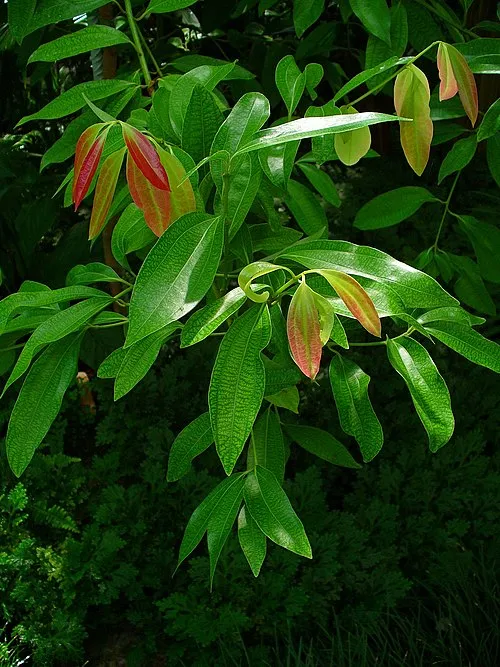
Cinnamon Bark — Post-Meal Spike Control for A1C Impact
A1C Impact: 19.26 mg/dL fasting glucose reduction in 16 studies, with significant insulin resistance improvement. Since A1C captures all glucose exposure — including the post-meal spikes that account for up to 70% of daily glucose elevation in some individuals — cinnamon's specific targeting of post-meal absorption makes it a critical A1C-lowering ingredient that complements berberine and chromium's fasting glucose focus.
500-2000mg daily
Banaba Leaf — Rapid Post-Meal Glucose Clearance
A1C Impact: Up to 30% post-meal glucose reduction within 2 hours. A1C is heavily influenced by the total area under the glucose curve — meaning the duration and height of post-meal spikes matter enormously. Banaba leaf's rapid insulin-independent glucose clearance via corosolic acid significantly reduces this area under the curve, contributing to meaningful A1C reduction that slower-acting ingredients like berberine and chromium cannot address during the critical post-meal window.
32-48mg daily
Bitter Melon — Insulin-Independent A1C Support
A1C Impact: Significant fasting glucose reduction in 2024 meta-analysis. Bitter melon's insulin-mimetic compounds provide glucose-lowering activity through pathways independent of insulin signaling and AMPK — ensuring A1C reduction continues even in people with severe insulin resistance where other pathways are impaired. This pathway diversity is essential for reliable A1C reduction across the full spectrum of metabolic dysfunction.
500-2000mg daily💡 Key Takeaway
A1C reflects average glucose across all situations — fasting, post-meal, overnight, and during stress. Lowering it effectively requires addressing every contributor simultaneously. GlucoGen 17 combines berberine (0.7% A1C reduction), chromium picolinate (0.55%), ALA (0.35%), cinnamon, gymnema, bitter melon, and 11 additional targeted compounds in a single formula — the most comprehensive natural A1C support available in 2026.
The Most Comprehensive Natural A1C Support in a Single Formula
- 17 clinically studied A1C-lowering ingredients
- Berberine + chromium + ALA + cinnamon + gymnema + bitter melon + 11 more
- GMP-certified, FDA-registered facility in USA
- Addresses fasting, post-meal, overnight, and craving-driven glucose
- 4.8/5 verified customer rating



A1C Reduction Timeline: What to Expect and When
Understanding the timeline for A1C improvement helps set realistic expectations and ensures you give the supplement adequate time to demonstrate its full effects.
Weeks 1-3: Fasting Glucose Improvements Begin
Most GlucoGen 17 users notice improved energy stability and reduced sugar cravings in the first 2-3 weeks as berberine, chromium, and gymnema reach therapeutic levels. Home glucose monitoring may show initial fasting glucose improvements. However, A1C will not yet reflect these changes because it measures average glucose over the preceding 2-3 months — the old elevated readings still dominate the average.
Weeks 4-8: Measurable Fasting Glucose Reduction
By weeks 4-8, consistent daily supplementation with GlucoGen 17 produces measurable fasting glucose reductions that become clearly visible in home monitoring. Post-meal glucose spikes are noticeably smaller and shorter. A1C measured at this point may show initial improvement, but the full effect has not yet been captured because many of the older, higher glucose readings are still within the 2-3 month A1C measurement window.
Weeks 8-12: Full A1C Reduction Becomes Visible
At the 8-12 week mark, A1C testing finally reflects the full impact of 2-3 months of improved glucose levels. This is when users see their most significant A1C reductions — typically the point where clinical study measurements are taken. The 6-bottle GlucoGen 17 package provides exactly this optimal 3-month treatment course, ensuring you have adequate supply to achieve and measure full A1C improvement.
Real A1C Improvement Stories From GlucoGen 17 Users

"My A1C was 6.8 and trending upward despite diet changes. I started GlucoGen 17 and committed to 30-minute daily walks. After 12 weeks, my A1C dropped to 6.0 — the best reading I have had in 5 years. My endocrinologist was genuinely impressed and asked about the supplement. The 17-ingredient formula clearly targets A1C from multiple angles."

"I tracked my fasting glucose daily while taking GlucoGen 17. The trend was unmistakable — a steady decline from an average of 148 to 116 over 10 weeks. When my lab work came back showing A1C had dropped from 6.5 to 5.9, it confirmed what I was seeing at home. The multi-ingredient approach produces real, measurable A1C results."

"After being diagnosed with prediabetes (A1C 6.2), I was determined to avoid medication. My doctor gave me 3 months to show improvement through natural means. I started GlucoGen 17, cleaned up my diet, and started walking. Three months later: A1C 5.6 — normal range. My doctor said I could continue the natural approach. This supplement was the critical piece."
Frequently Asked Questions
What supplements can naturally lower A1C?
+The supplements with the strongest clinical evidence for A1C reduction include: berberine (0.7% A1C reduction in a meta-analysis of 46 studies), fenugreek (up to 1.16% in one meta-analysis of 10 studies), chromium picolinate (0.55% HbA1c reduction in a systematic review of 16 studies), alpha-lipoic acid (0.35% reduction in 31 clinical trials), and viscous fiber supplements (significant A1C reduction at 13 grams daily). Cinnamon, gymnema sylvestre, and bitter melon also contribute meaningful A1C reduction through different mechanisms. A multi-ingredient formula like GlucoGen 17 combines 17 such compounds for synergistic A1C-lowering effects that exceed individual supplement results.
How long does it take for supplements to lower A1C?
+A1C (glycated hemoglobin) reflects average blood sugar over the preceding 2-3 months, so meaningful A1C changes require at least 8-12 weeks of consistent supplementation to be fully captured in lab results. However, the underlying blood sugar improvements begin much sooner: fasting glucose reductions typically appear within 2-4 weeks, and post-meal improvements within 1-2 weeks. The 6-bottle GlucoGen 17 package provides the optimal 3-month treatment course, ensuring adequate supply for full A1C improvement to be measured.
Can supplements alone lower A1C without lifestyle changes?
+Yes — supplements can produce measurable A1C reductions independently. Berberine alone reduces A1C by 0.7% in clinical studies without requiring participants to change their diet or exercise habits. However, combining supplements with lifestyle modifications (regular exercise, strategic dietary changes, quality sleep, and stress management) produces significantly greater total A1C reductions. GlucoGen 17 is designed to work both independently and as part of a comprehensive metabolic health strategy — delivering meaningful A1C support regardless of your current lifestyle, while amplifying results for those who adopt additional healthy habits.
What is a good A1C level and how much reduction is meaningful?
+Normal A1C is below 5.7%. Prediabetes is defined as A1C between 5.7% and 6.4%. Diabetes is diagnosed at 6.5% or higher. A reduction of 0.5% or more is considered clinically meaningful — research shows each 1% A1C reduction decreases the risk of diabetes-related complications by approximately 21%. Berberine alone produces 0.7% reductions in meta-analyses, and multi-ingredient formulas like GlucoGen 17 targeting all four glucose pathways may produce even greater improvements when combined with lifestyle changes.
Is berberine the best supplement for lowering A1C?
+Berberine has the strongest individual evidence for A1C reduction — a meta-analysis of 46 studies shows 0.7% A1C reduction comparable to metformin. As a standalone supplement, berberine is the single most effective A1C-lowering option available. However, berberine primarily addresses AMPK activation and liver glucose production — only 2 of 4 major glucose pathways that contribute to A1C. A multi-ingredient formula like GlucoGen 17 combines berberine with 16 additional A1C-lowering compounds targeting all four pathways for comprehensive coverage and potentially greater total A1C reduction.
Should I take A1C-lowering supplements with my diabetes medication?
+Many A1C-lowering supplements, particularly berberine and chromium picolinate, have additive blood sugar-lowering effects when combined with diabetes medications like metformin, sulfonylureas, or insulin. While this combination can be beneficial — potentially allowing medication dose reduction over time — it requires medical supervision to avoid hypoglycemia (dangerously low blood sugar). Always consult your healthcare provider before adding any A1C-lowering supplement, including GlucoGen 17, to an existing medication regimen. Your doctor may need to monitor your blood sugar more closely and adjust medication doses as your A1C improves.
Related Articles
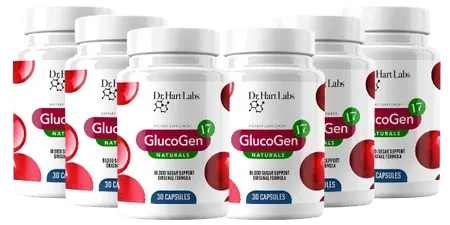
Start Your 3-Month Natural A1C Improvement Protocol
GlucoGen 17 delivers 17 clinically studied A1C-lowering ingredients with full label transparency, GMP-certified manufacturing, and a 60-day money-back guarantee. The 6-bottle package provides the optimal 3-month supply — matching the clinical research timeline for maximum A1C improvement. Your next lab results could tell a dramatically different story.